Skylights vs. Standard Windows: Which Option Is Best for You?
When residents explore ways to increase natural light in their living areas, the choice between skylights and traditional windows often arises. Both options offer distinct advantages and drawbacks. Skylights can flood a room with light from above, while traditional windows offer views and architectural diversity. Grasping the impact of each option is critical for arriving at a well-informed conclusion. What factors should one prioritize in this comparison, and in what ways do they influence lasting contentment?
Natural Light Analysis: Skylights Versus Traditional Windows
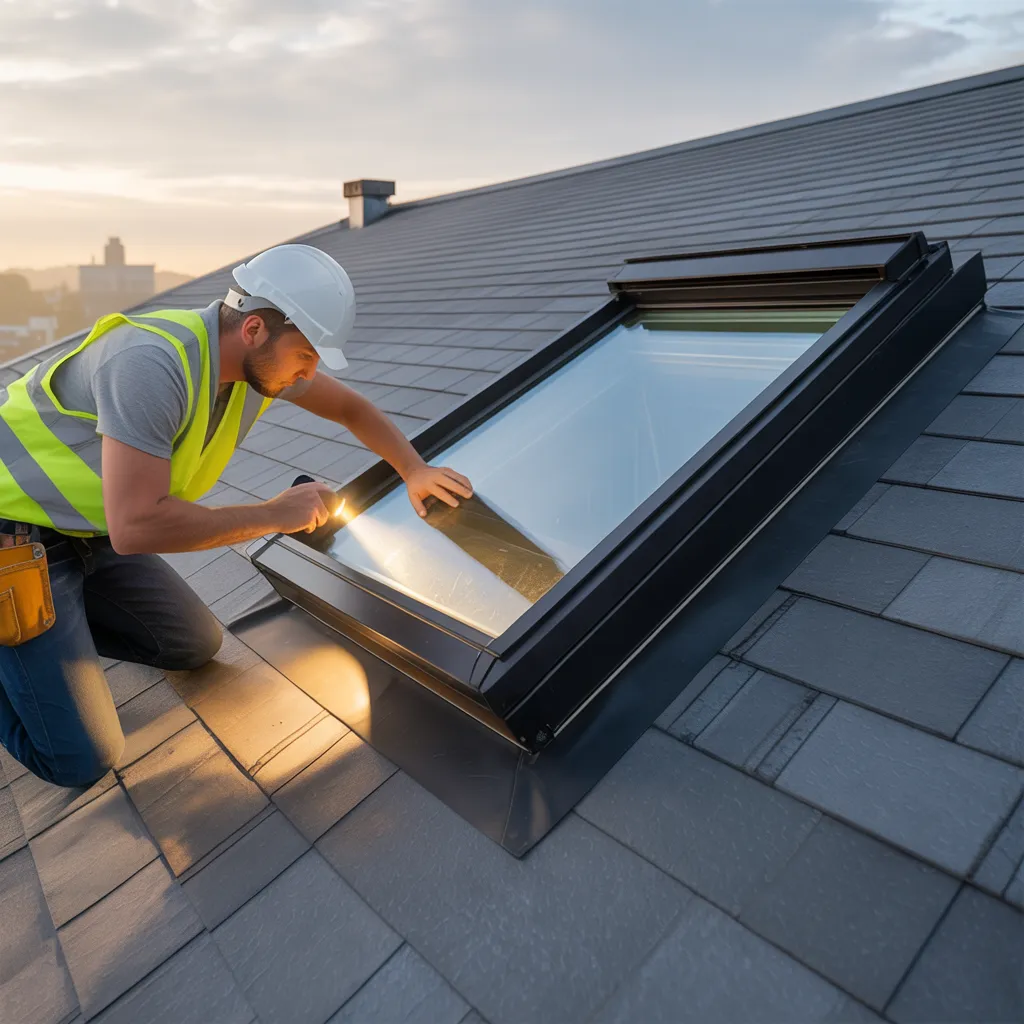
When considering ways to improve natural lighting in a room, skylights and traditional windows offer distinct advantages. Skylights, installed on the rooftop, deliver an unimpeded source of illumination, filling rooms with daylight from above. This downward flow of light can generate a luminous and airy environment, causing rooms to feel more spacious and welcoming. Moreover, skylights can minimize the dependence on electric lighting during daylight hours.
By comparison, conventional windows permit sunlight to flow in from the sides, providing perspectives of the surrounding landscape. They can be strategically placed to optimize natural light intake throughout the day, according to the directional placement of the room. Moreover, traditional windows can be crafted in a variety of styles to suit architectural preferences, enhancing both light and visual appeal. Ultimately, the decision between skylights and conventional windows depends on personal preferences, room layout, and the intended atmosphere of the space.
Comparing Energy Efficiency: Skylights Against Traditional Windows?
When examining energy efficiency, both skylights and standard windows come with their own unique merits. Skylights can enhance natural light, potentially reducing reliance on artificial lighting, while standard windows could deliver improved heat retention. Studying energy-related costs exposes considerable variations that could affect the decisions of homeowners.
Natural Light Benefits
Natural light serves a critical function in enhancing energy efficiency, and the choice between skylights and traditional windows greatly impacts this benefit. Skylights permit generous daylight to filter deeper into interior environments, decreasing dependence on artificial lighting throughout the day. This can lead to lower electricity bills and a reduced carbon footprint. On the other hand, standard windows largely light up spaces adjacent to the exterior walls, which might reduce the overall distribution of daylight. Moreover, the angle and location of skylights can collect more sunlight during the day, particularly in spaces with high ceilings. In the end, utilizing natural light through either choice can enhance energy efficiency, however skylights commonly deliver a more notable advantage in maximizing natural light exposure across a property or building.
Thermal Retention Comparison
How do skylights and traditional windows compare regarding heat retention? These two choices feature different attributes that impact their overall energy efficiency. Conventional windows generally provide superior insulation, particularly when double or triple-glazed, helping to reduce heat loss in winter months. Although skylights permit natural light to enter, they may occasionally result in greater heat transfer owing to their expansive surface area and susceptibility to summer heat gain. That said, developments in skylight engineering, such as low-emissivity (low-E) coatings, have considerably boosted their heat retention capabilities. In the end, how well each option retains heat is determined by elements such as installation quality, the type of glazing used, and the prevailing climate. Homeowners should carefully evaluate these elements to determine which choice best meets their heat retention needs.
Analysis of Energy Costs
An energy costs analysis reveals notable distinctions when comparing skylights to standard windows. Skylights generally permit more natural light to enter, which can reduce reliance on artificial lighting and lower electricity bills. However, their energy efficiency largely depends on the quality of the glazing and installation. Premium skylights featuring low-E coatings are capable of reducing heat loss and gain, improving total energy efficiency.
That said, traditional windows may also prove to be effective at conserving energy, especially when incorporating dual or triple glazing options. While they offer adequate insulation, they may not offer the same natural lighting advantages as overhead skylights. At the end of the day, the decision between the two should factor in considerations like location, climate, and specific energy-saving goals to determine the most budget-friendly option.
What You Need to Know About Skylights
What is it that makes skylights a popular choice among homeowners? Skylights present a unique opportunity to maximize natural light within the home, creating a bright and airy atmosphere. Coming in numerous designs and sizes, they blend naturally into diverse architectural frameworks. pertinent information Homeowners often appreciate the potential for energy efficiency; strategically placed skylights can reduce reliance on artificial lighting during daytime hours.
Additionally, skylights can increase ventilation when equipped with operable features, allowing warm air to exit and promoting airflow. They also offer unique aesthetic attributes, serving as focal features that can improve interior design. However, it is critical for homeowners to take into account factors such as installation expenses, potential water infiltration, and the need for proper maintenance. Recognizing the specific considerations and effects of skylights can assist homeowners reach informed decisions tailored to their living environments.
Main Pros and Cons of Traditional Windows
Conventional windows have historically been a cornerstone of home design, offering distinct advantages alongside some notable drawbacks. One key advantage is their ability to supply natural lighting and fresh air circulation, enhancing indoor air quality and reducing reliance on artificial lighting. They are also available in a variety of styles and materials, enabling homeowners to tailor their look to match individual tastes.
However, traditional windows have their drawbacks. Thermal efficiency can become problematic, most notably with aging models that can allow cold drafts and thermal loss. Additionally, maintenance requirements can be more burdensome, as frames and seals often need consistent attention to avoid deterioration. Classic windows can similarly struggle with managing solar heat gain in comparison to newer solutions, causing elevated cooling costs during the hotter months. Ultimately, choosing conventional windows comes down to measuring these strengths against their weaknesses based on one's own needs and circumstances.
Aesthetic Charm: Skylights vs. Windows
The visual appeal of skylights and traditional windows plays a major role in home design decisions. Skylights can enhance natural light and establish a feeling of spaciousness, while traditional windows offer versatile design options that complement various architectural styles. Being aware of these differences allows homeowners to make educated choices according to their personal style preferences.
Natural Light Impact
Natural light plays a pivotal role in enhancing the aesthetic appeal of residential spaces, as skylights and traditional windows each provide unique benefits. Skylights, installed overhead, let sunlight stream in from above, producing an atmosphere of openness and comfort. This upward light can highlight architectural features and cause rooms to appear more expansive and welcoming. Conversely, traditional windows provide views of the outdoors, joining interior rooms with the natural scenery. They are able to frame beautiful vistas and generate an engaging dance of light during daylight hours. Although skylights can brighten shadowy areas, traditional windows can enhance curb appeal and architectural character. Ultimately, the choice between skylights and traditional windows impacts the overall ambiance and energy of a home.
Design Flexibility Options
Aesthetic adaptability plays a key role in the comparison between skylights and standard windows, as both options contribute uniquely to a home's aesthetic appeal. Skylights offer a modern touch, blending naturally into ceilings to establish a bright, spacious environment. Their placement can highlight architectural features and enhance the overall design flow. On the other hand, conventional windows offer a timeless appeal, coming in numerous designs and materials to match virtually any architectural framework. They offer flexibility in dimensions and configuration, enabling homeowners to preserve classic design elements while optimizing sunlight intake. Ultimately, the choice between skylights and windows depends on individual preferences, desired ambiance, and the specific architectural context of the home, as both present their own notable strengths in overall design adaptability.
Budgeting for Skylights and Traditional Windows
What is the best way to budget for skylights compared to traditional windows? When evaluating installation expenses, skylights commonly cost between $1,000 and $3,000, varying by size and features. Additional expenses may include structural modifications and potential roofing repairs. On the other hand, traditional windows generally fall between $300 and $1,500 apiece, affected by materials and energy efficiency ratings.
Homeowners must also account for installation fees, which can vary considerably based on geographic labor expenses. Skylights may require specialized installation, increasing overall expenses. Additionally, long-term energy savings ought to be considered in the budget; skylights can maximize natural light, likely decreasing electricity bills, while high-efficiency windows deliver insulation benefits.
At the end of the day, identifying the best option means evaluating both upfront costs and possible returns. Weighing visual appeal against functional requirements helps guide a smarter financial conclusion in the context of skylights versus standard windows.

Common Questions and Answers
How Can Skylights Influence Indoor Temperature Throughout the Summer?
Skylights can markedly increase indoor temperatures during summer by permitting direct sunlight to penetrate, often leading to heat accumulation. Adequate installation and shading solutions are necessary to minimize excessive warmth and sustain pleasant indoor environments.
Is It Possible to Install Traditional Windows in Unconventional Shapes?
Traditional windows can indeed be installed in unusual shapes, providing distinctive visual possibilities. Personalized designs enable homeowners to highlight architectural details, providing both functionality and visual appeal while maintaining professional installation standards and energy-saving benefits.
How Does Skylight Maintenance Compare to Window Maintenance?
Skylights tend to need more care and attention than standard windows, as they are vulnerable to leaking and the collection of debris. Regular cleaning and inspection are essential, while windows usually demand less maintenance, focusing primarily on cleaning and occasional sealing.
Are Skylights Susceptible to Leaks or Water Damage?
Skylights are susceptible to leaks and water damage, particularly when they are not properly installed or maintained. Routine inspections and appropriate sealing are critical to reducing risks, guaranteeing they stay effective and clear of moisture-related concerns.
What Role Do Local Building Codes Play in Skylight Installation?
Local building codes significantly impact skylight installation by establishing structural requirements, energy efficiency standards, and safety guidelines. Adhering to these codes ensures proper installation, lowering the chances of leaks and boosting the long-term durability and performance of the skylights.